Finance · Euroglobal New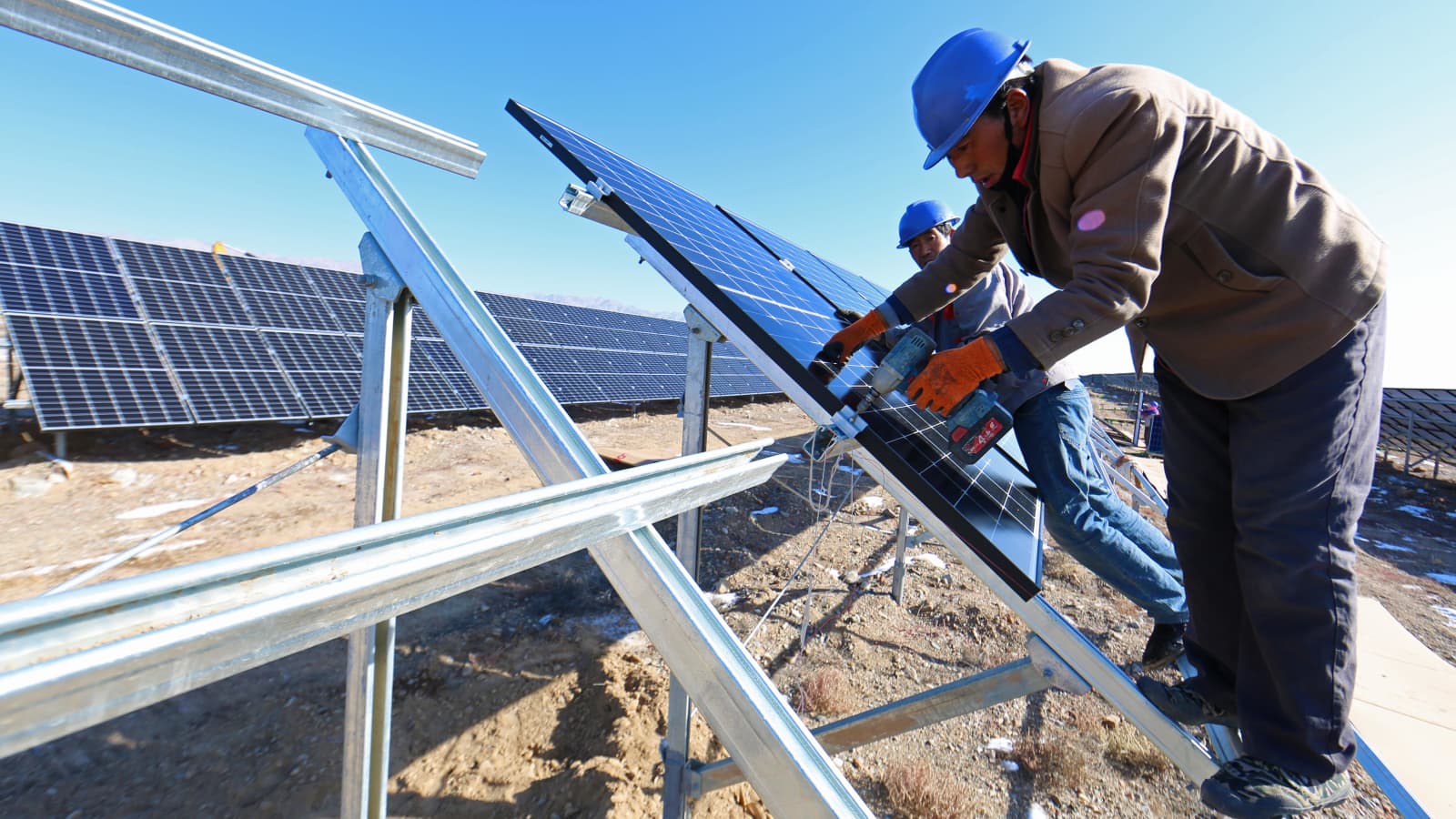
As many workers worry about the future of their jobs in the age of AI , nurse practitioners may be able to rest easy. A release published Thursday by the Bureau of Labor Statistics lays out the top 10 roles projected to grow the fastest from 2025 to 2035, and nurse practitioners lead the charge. It's one of six occupations on the list that fall under the umbrella of healthcare and social assistance services.
That owes to the aging population in the U.S. and the high prevalence of behavioral health disorders and chronic conditions like cancer, heart disease, and diabetes, says Emily Krutsch, chief for the Division of Employment Projections at the BLS. In the past year already, healthcare has been the leading sector for job creation in the U.S. economy's growth, as other sectors lag far behind. Healthcare jobs rose by 22,000 in July , slower than its 12-month average, but still outpacing many other sectors' growth.
Nurse practitioner roles are projected to grow roughly 137,800 jobs from 2025 to 2035. While nurse practitioners are expected to see the greatest percentage change in growth, medical and health services managers are projected to grow fastest in raw numbers, with an estimated 155,100 jobs coming. Two jobs on the BLS list are computer and math occupations, which reflects "growing demand for IT products and services, and the need to store, manage, and analyze large amounts of data," Krutsch says.
Data scientists are expected to see approximately 95,400 jobs added during this period, and computer and information research scientist roles are projected to grow by roughly 8,400. It's worth noting those two occupations are considered to have a "very high" relative AI exposure, according to the BLS, meaning compared to other occupations, a larger proportion of these jobs' responsibilities can be aided or completed by AI and that LLMs have been seen performing some of these tasks. However, the BLS also notes this isn't a prediction of employment growth or decline, so a "very high" relative AI exposure doesn't necessarily mean employment will drop.
The remaining two jobs on the list are in renewable energy as AI adoption and related infrastructure, like data centers, drive a higher need for electricity, the release notes. While these two roles, solar photovoltaic installers and wind turbine service technicians, are expected to see "very fast employment growth," Krutsch says, their raw numbers of jobs expected to be added are relatively small at less than 15,000 cumulatively. From 2025 to 2035, the U.S. economy is projected to grow 3.5%, going from 170.3 million to 176.2 million jobs.
That's noticeably less than the 10.9% growth seen from 2015 to 2025. The economy is expected to grow much slower as the population ages. Over the next decade, a declining labor force participation rate , which refers to the percentage of the population either working or actively looking for work, is also a factor, Krutsch says, as many older workers near retirement and demographic trends mean fewer young people are replacing them.
The BLS emphasizes there's always uncertainty in predicting long-term labor market changes, but the projections offer a look, if preliminary, at what jobs are seeing growing demand. Many of the roles have been projected for several years to be among the fastest-growing, even preceding the generative AI boom and its incumbent electricity demands, for example. On the other side of the spectrum, jobs in retail trade and the federal government are expected to decline during this period, by 0.2% and 3.4%, respectively.
But that doesn't mean those career pathways are gone, Krutsch says. "Just because we're projecting an occupation to decline or not have a lot of growth, that doesn't necessarily translate to meaning there won't be opportunities," she says. "There still might be openings there."
Source: CNBC