Finance · Euroglobal New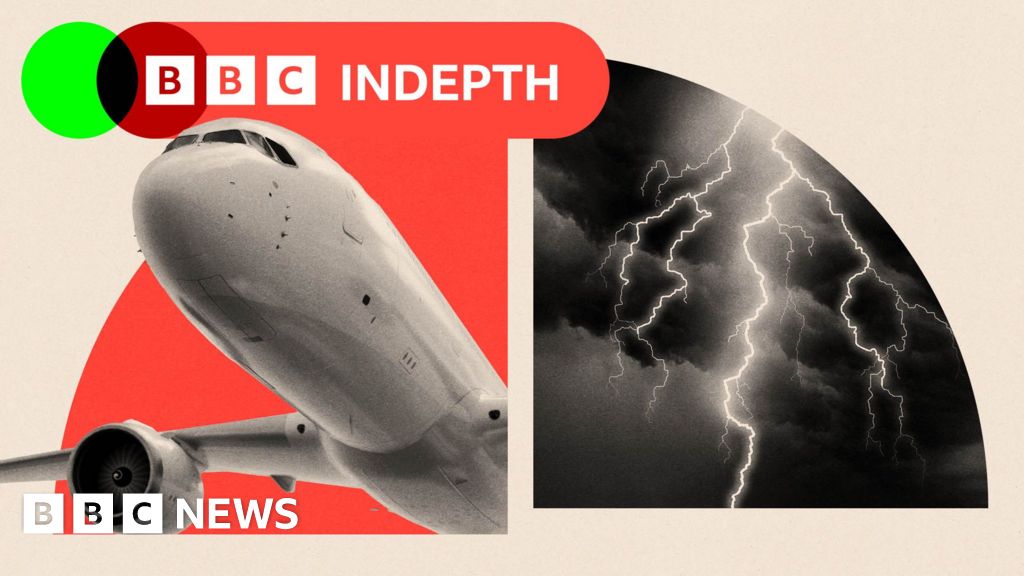
Aviation faces hotter, stormier skies – and passengers might have to accept more disruption. As the country sweltered through one of the many heatwaves of a baking summer in late June, towering thunderclouds gathered over the south of England and across much of northern Europe. It was a Saturday, and with the holiday season under way, thousands of passengers headed to London's Heathrow and Gatwick airports to catch flights abroad. What followed was chaos for travellers. As air traffic controllers struggled to route aircraft around the storms, airspace became heavily congested, forcing many planes to wait on the ground. Some 900 flights to and from both airports were delayed, some by up to 11 hours. Dozens more were cancelled. At airports across Europe, passengers expecting to fly into London also faced long waits and uncertainty.
The weather in the UK may now have cooled, but some within the industry believe what happened in June should be seen as a warning. The timing was clearly unlucky, but concerns persist that such incidents will become more common as climate change intensifies weather systems, increasing disruption and costs for airlines, airports, and travellers. Tim Atkinson, an airline risk consultant and former pilot, warns that the crowded skies over the UK and northern Europe make the region particularly exposed. He suggests a scenario where all of London's airports could be simultaneously affected by storms, potentially causing major disruptions and even putting lives at risk.
In the UK's National Air Traffic Services (NATS) main control centre in Swanwick, Hampshire, thunderstorms are a major concern. Air traffic tends to come in waves during the day, but with activity expected to intensify in the afternoon, staff are preparing for potential disruptions. Storms can shrink available airspace, forcing rerouting and diversions. If planes are unable to land at one airport due to high winds, they may need to divert to another, creating additional problems if too many unscheduled aircraft land at a busy airport without sufficient infrastructure.
Atmospheric changes due to climate change are increasing convective activity, leading to more intense thunderstorms. Higher temperatures mean more convective energy, increasing the likelihood of heavy rainfall. While it is unclear if this means more thunderstorms overall, studies suggest higher latitudes, particularly in the northern hemisphere, will see more violent storms. Pilots will avoid flying through convective weather, but storms can cause turbulence, hail, and other hazards that may damage aircraft or endanger passengers.
Clear-air turbulence, invisible and increasingly common, poses another risk. It can cause severe turbulence, leading to incidents like a Lufthansa flight encountering "brief but severe" turbulence in 2023, resulting in an emergency landing and hospitalizations. Rising sea levels also threaten airports, with many built on low-lying areas near coastlines. For example, LaGuardia Airport in New York could face frequent flooding, potentially closing runways and disrupting operations. Investments in flood defenses are necessary but costly, ultimately affecting taxpayers or passengers.
The aviation industry faces significant challenges in addressing climate change impacts. Rising fuel costs due to more frequent diversions and increased turbulence will likely lead to higher prices for passengers. While new technologies like advanced air traffic management systems and laser-based forecasting tools can mitigate some risks, the industry must also prepare for more frequent disruptions. Andrew Charlton, an airline executive, acknowledges that while the worst-case scenarios are unlikely, passengers will eventually have to accept more delays and cancellations as a fact of flying life. The aviation sector must ensure adequate space at airports for displaced passengers, including hotels and parking, to manage disruptions effectively.
Source: bbc.com