Finance · Euroglobal New
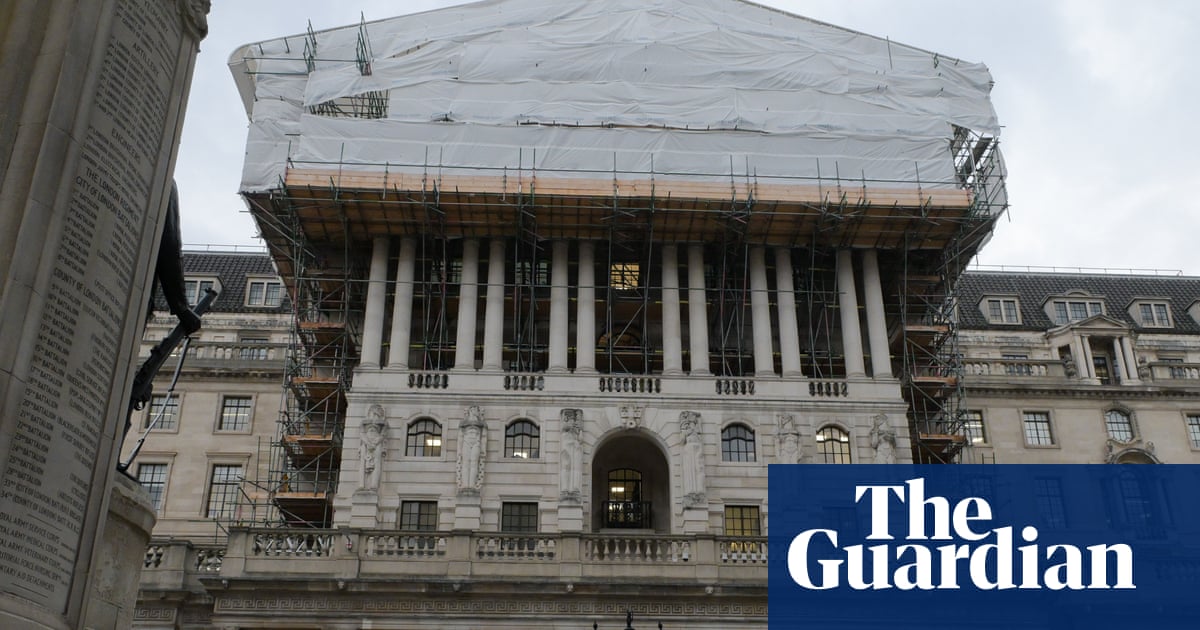
The Bank of England has raised interest rates for the first time in more than three years to combat rising inflation, as the Iran war continues to put upward pressure on energy costs. The widely expected move, which took the Bank’s base rate from 3.75% to 4%, was the first rise since August 2023. The increase in borrowing costs comes only a week after John Healey’s first budget promised consumers “breathing space” from the squeeze caused by the Middle East conflict.
Before Donald Trump launched Operation Epic Fury in February, the Bank’s nine-member monetary policy committee had been expected to cut rates this year. However, the prolonged conflict has driven up oil prices dramatically – the cost of a barrel of benchmark Brent crude has been consistently above $100 for the past two months. However, oil prices fell sharply in the aftermath of the Democrats’ midterm election victories .
UK inflation has risen less sharply than feared in response to the closure of the strait of Hormuz choking off supplies, but it hit 3.5% in September, measured on the consumer prices index. That was the highest level since October 2025, and well above the Bank’s 2% target. Inflation is expected to continue rising into the new year.
Other major central banks, including the Federal Reserve, the European Central Bank and the Bank of Japan, have already begun raising rates in response to soaring inflation. skip past newsletter promotion after newsletter promotion Higher rates could hit the more than 2 million mortgage borrowers due to refinance fixed-rate deals over the next year.
Source: The Guardian